
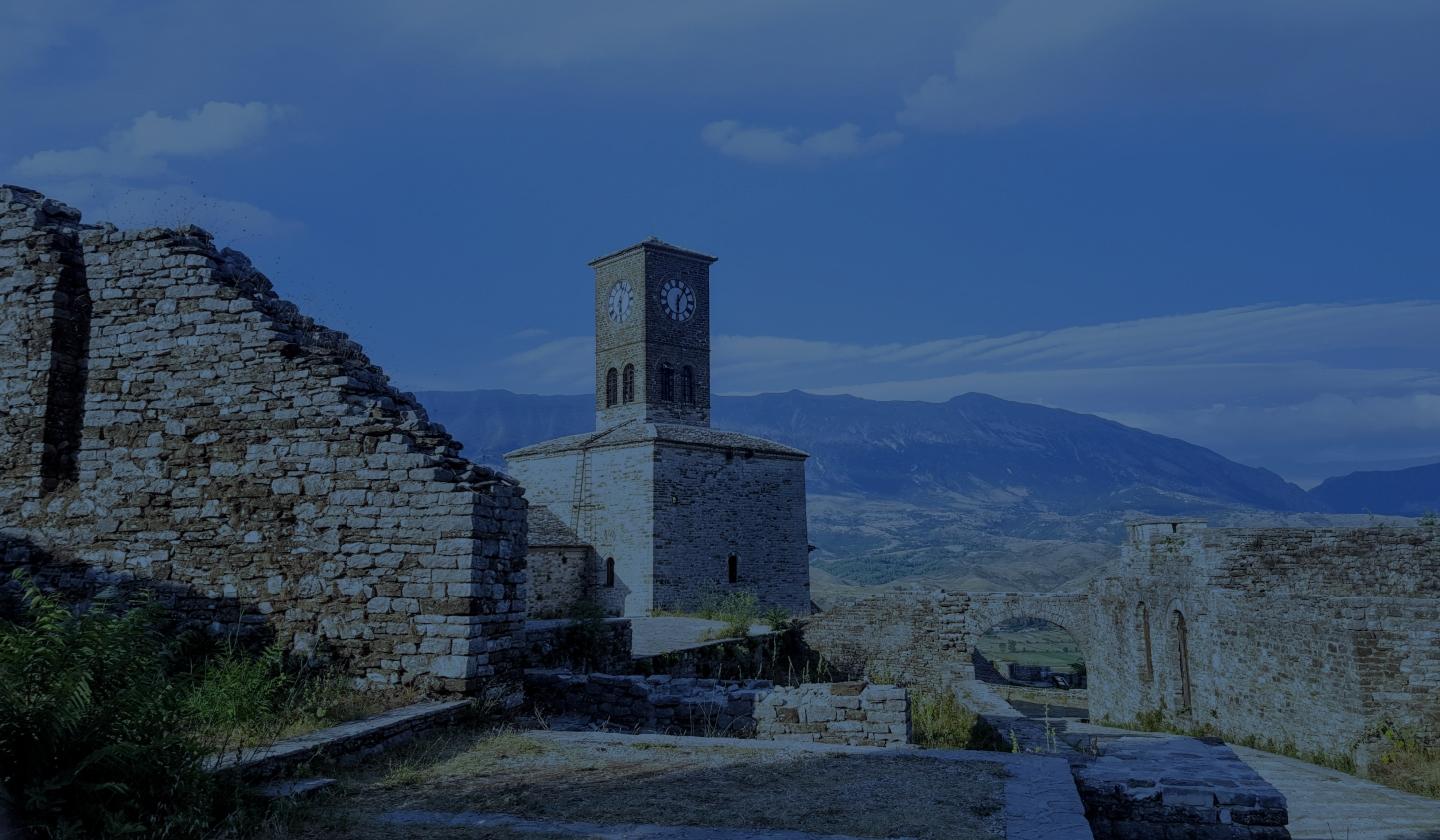
Employer of Record in Albania: Hire, Manage, and Pay Talent Seamlessly
Get StartedFrom onboarding to payroll management, Tarmack's EOR services make hiring in Albania fast, compliant, and cost-effective.
Employment Norms in Albania
Albania's labor laws set employment rules. These laws are meant to protect the rights of workers and encourage fair and equal working conditions. Albania's economy is diverse, with agriculture, manufacturing, tourism, and services as some of its most important industries.
General Information:
- The official currency of Albania is the Albanian Lek (ALL).
- The capital city of Albania is Tirana.
- Albanian is the official language of the country. Legal documents are written in Albanian.
- Albania's GDP is expected to touch 18.73 USD Billion in 2023
Albania's labor laws cover things like the minimum wage, working hours, health and safety, and other aspects of employment. These laws protect the rights of workers and make sure they have fair and safe working conditions.
Table of Contents
- Agreements
- Onboarding Process
- Visa
- Minimum Wage
- Payroll Cycle
- Annual Bonus
- Health Benefits
- Working hours and overtime
- Leaves
- Social Security
- Taxes for Employers
- Taxes for Employees
- Probation
- Termination
- Severance Pay
- Employees or Contractors
- Final Words
AgreementsOnboarding ProcessVisaMinimum WagePayroll CycleAnnual BonusHealth BenefitsWorking hours and overtimeLeavesSocial SecurityTaxes for EmployersTaxes for EmployeesProbationTerminationSeverance PayEmployees or ContractorsFinal Words
Agreements in Albania
In Albania, the following agreements play a key role in regulating labor and employment:
- Labor Code: The Labor Code sets out the general framework for employment relationships, including provisions on working hours, minimum wage, termination of employment, and health and safety.
- Collective Bargaining Agreements: Collective bargaining agreements are agreements between employers and employees or their representatives, setting out the terms and conditions of employment for workers in a particular sector or workplace.
- Employment Contracts: Employment contracts are legally binding agreements between an employer and an employee. It defines the terms and conditions of employment.
- International Labor Organization (ILO) Conventions: Albania is a member of the ILO and has ratified several ILO Conventions, including Conventions on freedom of association, the right to organize and collective bargaining, forced labor, and non-discrimination in employment.
Onboarding Process in Albania
In Albania, the employee onboarding process typically includes the following steps:
- Offer of Employment: First, the employer makes a written offer of employment to the candidate, setting out the terms and conditions of the job.
- Acceptance of Offer: The candidate must then accept the offer of employment in writing.
- The signing of the Employment Contract: After accepting the job offer, both the employee and the employer must sign a written employment contract that spells out the terms and conditions of the job.
Hire International Employees Compliantly
Get StartedVisa in Albania
Albania offers several work visas and licenses, including:
- Employment Visa: Foreigners working in Albania for longer than 90 days need an employment visa. The Albanian government issues employer-specific visas.
- Residency Permit: Non-Albanians need a residence permit to live and work there for more than 90 days. The Albanian government issues employer-specific authorization.
- There are several types of visas available for individuals who wish to live and work in a country. Type A permits specify the period of stay, while Type B permits are limited but can be renewed. Type C permits are permanent and provide the right to enter, stay and leave the country. Seasonal workers can apply for a Type S permit, while highly skilled workers can apply for an AL Blue Card, which is renewable, or an AL-C Blue Card, which is permanent. These permits provide individuals with the legal ability to live and work in a foreign country.
Minimum Wage in Albania
32,000 Albanian Lek is the minimum monthly wage in Albania. The minimum hourly pay is ALL182.73. The minimum wages are based on industry and other variables.
Payroll Cycle in Albania
In Albania, people usually get paid monthly. Most of the time, employees get paid on the last working day of each month. In the absence of specific laws, it is common for employers to use a monthly payroll cycle. However, some employers may choose to use a bi-monthly or weekly payroll cycle instead.
Streamline Global Payroll Instantly
Explore PayrollAnnual Bonus in Albania
Albanian workers do not receive fixed annual bonuses. However, many firms give annual bonuses as performance-based pay or rewards for good work.
Health Benefits in Albania
Albanian employers may offer these health benefits:
- Many firms provide health insurance to employees. Hospitalization, outpatient treatment, and prescription medicines are covered by insurance.
- Mandatory workers' benefits in Albania include travel health insurance, health insurance, life insurance, accident insurance and retirement.
Working hours and overtime in Albania
- Most Albanians work 40 hours Monday through Friday. Some firms allow employees to work from home or have a shorter workday than eight hours.
- Workers get a 30-minute break. The break's duration and timing depend on the business and the employee's employment.
- Overtime: Depending on their job contract and current laws, overtime workers may receive extra money or time off.
Leaves in Albania
Albanian workers are entitled to sick, parental, and annual leaves.
- Sick Leave: Employers provide 14 days of sick leave to employees who are sick or injured. These leaves are provided at different rates by different employers, based on the tenure of the employee in an organization.
- Maternity Leave: Maternity leave of 365 days is provided to pregnant employees after contributing to social security for a tenure of 12 months. Leave of 35 days must be taken before the birth of the child and 63 days of leave should be taken after the birth of the child.
- Parental Leave: The cohabitant or the father can take paternal leave for 3 days after the birth of the child.
- Annual Leave: 30 days of mandatory annual leave is provided to the employees.
Public Holidays (for the Calendar year 2024)
A few of the following dates may vary according to the traditional calendar.
- New Year's Day (1st January)
- New Year's Day (2nd January)
- Summer Day (14th March)
- Nevruz Day (22nd March)
- Catholic Easter (31st March)
- Day off for Easter Sunday (1st April)
- Eid al-Fitr (10th April)
- May Day (1st May)
- Good Friday (Orthodox) (3rd May)
- Easter Saturday (Orthodox) (4th May)
- Orthodox Easter (5th May)
- Day off for Easter Sunday (Orthodox) (6th May)
- Saint Teresa Day (5th September)
- Albanian Independence Day (28th November)
- National Liberation Day (29th November)
- National Youth Day (8th December)
- Christmas Day (25th December)
Public Holidays (for the Calendar year 2025)
A few of the following dates may vary according to the traditional calendar.
- New Year's Day (1st January)
- New Year's Day (2nd January)
- Summer Day (14th March)
- Nevruz Day (22nd March)
- Eid al-Fitr (Tentative Date) (31st March)
- Orthodox Easter (20th April)
- Day off for Easter Sunday (21st April)
- May Day (1st May)
- Feast of the Sacrifice (Tentative Date) (7th June)
- Mother Teresa Beatification Day (5th September)
- Albanian Independence Day (28th November)
- Liberation Day (29th November)
- Day off for Liberation Day (1st December)
- Christmas Day (25th December)
Taxes for Employers in Albania
Here are a few of the most important taxes paid by the employer:
- 15% is paid as social security
- 1.7% is contributed to health insurance
Employer cost is calculated at 16.7% of the salary of the employee.
Taxes for Employees in Albania
In Albania, workers have to pay several taxes, such as:
- Income Tax: An employee's salary is subject to personal income tax. Depending on how much money someone makes, the tax rate ranges from 0% to 23%.
- Social Security: All workers are required to pay into the social security system. At the moment, employees pay 9.5% of their salary into the fund.
- Health Insurance: 1.7% is paid into health insurance by the employees.
Calculate True Employee Costs Now
Calculate NowProbation in Albania
In Albania, the rules for probation periods for employees are regulated by the Labor Code. According to the Labor Code, the maximum length of a probation period is 3 months.
Termination in Albania
In Albania, a job contract can be ended in any of the following ways:
- By mutual agreement of both parties.
- Voluntary termination by the employee.
- Unilaterally by the employee based on objective grounds, dismissal based on discipline and at the end of the probation period.
Severance Pay in Albania
In Albania, an employee's severance pay is usually based on how long they worked for the company. According to Albanian labor law, employees who are fired without cause are entitled to severance pay equal to their average monthly salary for each year of service. The exact amount of severance pay may depend on the terms of the employee's employment contract.
Employees or Contractors in Albania
In Albania, there are different legal definitions for employees and contractors:
- An employee is someone who has signed a contract with their employer and does their work under the direction and control of their employer. Albanian labor law says that an employee is entitled to a regular salary and several benefits and protections, such as the minimum wage, health benefits, and unemployment insurance.
- Moreover, a contractor is a business person who works for themselves and does work for another business or person. Albanian labor law specifies that contractors are not the same as employees and do not get the same benefits and protections.If an employee is misclassified as a contractor, the employer may have to pay fines and make up for benefits and taxes that were not paid. Employers must correctly classify their employees and contractors to follow Albanian labor laws and stay out of trouble with the law.
Final Words
Albania has a strong job market with many job opportunities for both locals and people from other countries. The country has laws and rules about work that make sure employees are treated fairly. For example, there are rules about the minimum wage, time off, and social security. Employers have to meet certain tax requirements, and employees also have to meet their tax requirements. For a smooth and successful hiring process, it's important to know the different rules and customs of the Albanian job market.
See Transparent EOR Pricing
View PricingExplore Hiring & Payroll In Other Countries
Employer of Record in United StatesEmployer of Record in SingaporeEmployer of Record in IsraelEmployer of Record in PortugalEmployer of Record in LatviaEmployer of Record in CanadaEmployer of Record in FinlandEmployer of Record in United Arab EmiratesEmployer of Record in MaltaEmployer of Record in ChileEmployer of Record in AustraliaEmployer of Record in New ZealandEmployer of Record in QatarEmployer of Record in GreeceEmployer of Record in MalaysiaEmployer of Record in GermanyEmployer of Record in IrelandEmployer of Record in Saudi ArabiaEmployer of Record in EstoniaEmployer of Record in South AfricaEmployer of Record in United KingdomEmployer of Record in LuxembourgEmployer of Record in Hong KongEmployer of Record in Czech RepublicEmployer of Record in BrazilEmployer of Record in SwitzerlandEmployer of Record in FranceEmployer of Record in TaiwanEmployer of Record in PolandEmployer of Record in MexicoEmployer of Record in SwedenEmployer of Record in BelgiumEmployer of Record in PhilippinesEmployer of Record in ArgentinaEmployer of Record in NorwayEmployer of Record in AustriaEmployer of Record in CyprusEmployer of Record in HungaryEmployer of Record in ThailandEmployer of Record in DenmarkEmployer of Record in JapanEmployer of Record in SpainEmployer of Record in SlovakiaEmployer of Record in ChinaEmployer of Record in NetherlandsEmployer of Record in South KoreaEmployer of Record in ItalyEmployer of Record in Lithuania
+ 38 moreA truly global HR platform with everything you need to build, grow & manage a global team.
- Identifying & recruiting the best talent
- Payroll with full compliance across 100+ countries
- Employment agreements as per local laws
- Contractor invoices & time management
- Smooth remote onboarding of employees
- Immigration & mobility services around the world

Social Security in Albania
