
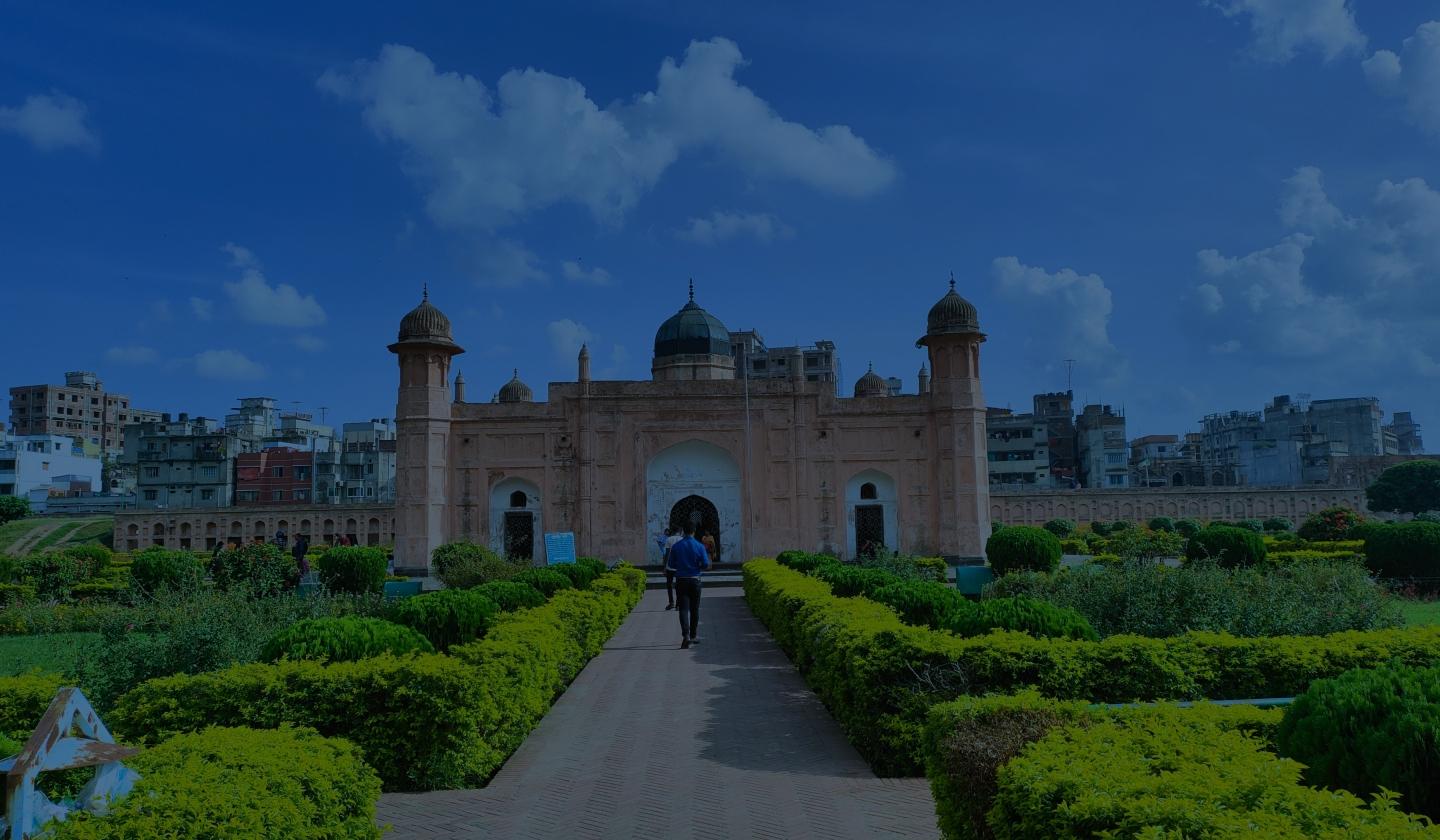
Employer of Record in Bangladesh: Hire, Manage, and Pay Talent Seamlessly
Get StartedFrom onboarding to payroll management, Tarmack's EOR services make hiring in Bangladesh fast, compliant, and cost-effective.
Employment Norms in Bangladesh
With a large population and a growing economy, Bangladesh offers a significant labor force that can be attractive to both local and international businesses. However, to successfully navigate the country's employment landscape, employers must be aware of the various laws and policies that govern working conditions, wages, benefits, and social security contributions.
General Information:
- The currency of Bangladesh is the Bangladeshi taka (BDT).
- Dhaka is the capital of Bangladesh.
- The official language of Bangladesh is Bengali. Legal documents can be drafted in Bengali to be considered legally valid. As of now, most laws in Bangladesh are written in Bengali, except the laws that were passed before the year 1987. Though English is not the official second language but the financial, administrative, and legal forms that are used by the government are written in English.
- The gross domestic product (GDP) of Bangladesh is 460.75 billion USD as of 2022.
The Ministry of Labour and Employment of the Government of Bangladesh is responsible for governing labor laws and regulations in Bangladesh.
Table of Contents
- Agreements
- Onboarding Process
- Visa
- Minimum Wage
- Payroll Cycle
- Annual Bonus
- Health Benefits
- Working Hours and Overtime
- Leaves
- Social Security
- Taxes for Employers
- Taxes for Employees
- Probation
- Termination
- Severance Pay
- Employees or Contractors
- Final Words
AgreementsOnboarding ProcessVisaMinimum WagePayroll CycleAnnual BonusHealth BenefitsWorking Hours and OvertimeLeavesSocial SecurityTaxes for EmployersTaxes for EmployeesProbationTerminationSeverance PayEmployees or ContractorsFinal Words
Agreements in Bangladesh
Here are some key agreements related to labor and employment in Bangladesh:
- Labor Act of 2006: This act governs labor relations in Bangladesh, including worker rights, working conditions, minimum wage, overtime, and employment termination.
- Bangladesh Labor Rules of 2015: These rules provide specific guidelines for implementing the Labor Act of 2006, covering areas such as recruitment, employment contracts, working hours, leave, and social security.
- Bangladesh Labor Policy of 2012: This policy aims to promote workers' welfare and protect their rights by improving working conditions, expanding employment opportunities, and enhancing social protection.
- Bangladesh National Child Labor Elimination Policy of 2010: This policy seeks to eradicate all forms of child labor by providing education, training, and alternative job opportunities for children.
- Tripartite Consultative Council: This council brings together representatives from the government, employers, and workers to discuss labor issues and formulate policies related to labor and employment in Bangladesh.
- Trade Unions Act of 1926: This act provides for the registration and regulation of trade unions in Bangladesh, allowing workers to form and join unions to protect their rights and negotiate with employers.
These agreements play a crucial role in protecting workers' rights, improving working conditions, and promoting social welfare in Bangladesh. The laws are generally written in Bengali.
Onboarding Process in Bangladesh
Certain important documents are required before beginning work -
- Orientation: Introduce the new employee to the company's values, culture, policies, and procedures.
- Paperwork: Obtain and verify all necessary personal and professional information, including identification, education, work experience, and references.
- Contracts: Issue a formal employment contract specifying the terms and conditions of employment, such as job title, salary, benefits, and leave.
- Training: Provide necessary training to the new employee, including job-specific and safety training.
Some mandatory documents to be submitted during the onboarding process in Bangladesh include:
- National ID card
- Passport (if applicable)
- Educational certificates and transcripts
- Job offer letter
- Tax identification number (TIN) Certificate
- Bank account details for salary payment
Hire International Employees Compliantly
Get StartedVisa in Bangladesh
Various visas/permits in Bangladesh are as follows:
- Employment Visa: Issued to foreign nationals who have secured employment in Bangladesh.
- Business Visa: Issued to foreign nationals who wish to engage in business activities in Bangladesh, such as attending conferences or meetings, exploring business opportunities, or negotiating contracts.
- Investment Visa: Issued to foreign nationals who wish to invest in Bangladesh, such as starting a business or making an investment.
- Work Permit: Issued to foreign nationals who have been employed by a Bangladeshi company or organization and are in the process of obtaining an Employment Visa.
Minimum Wage in Bangladesh
The current minimum wage in Bangladesh is BDT 1,500.00 per month.
Payroll Cycle in Bangladesh
In Bangladesh, the payroll cycle is typically monthly.
Streamline Global Payroll Instantly
Explore PayrollAnnual Bonus in Bangladesh
After completing one year of employment in Bangladesh, employees are eligible to receive a festive bonus. Two festive bonuses can be provided by employers every year. The bonus should either be 50% of the employee's gross salary or equal to their basic salary.
Health Benefits in Bangladesh
While there is no specific legislation governing health benefits in Bangladesh Employers may provide:
- Health insurance coverage: Employers may provide health insurance that covers medical expenses for employees and their dependents.
- Health and wellness programs: Employers may offer programs to promote healthy lifestyle choices and prevent illness, such as gym memberships or wellness classes.
- Occupational health and safety: Employers have a responsibility to ensure that the workplace is safe and healthy for employees.
Working Hours and Overtime in Bangladesh
- Work hours: In Bangladesh employees work 40 hours a week and 8 hours per day, starting from Saturday to Thursday.
- Break: There is no legal requirement for breaks during the workday, but many companies provide a one-hour lunch break
- Overtime: Employers must pay workers at least twice times their regular wage for overtime hours if they work beyond the normal hours.
Leaves in Bangladesh
In Bangladesh, leaves for employees are governed by the Labor Act, of 2006. According to the Act, employees are entitled to the following types of leaves:
Sick Leaves
- Workers are entitled to 14 days of paid sick leave per year. The employer is responsible for the payment of these leaves.
Parental/Paternity leaves
- There isn't any provision for paternity or parental leave in Bangladesh.
Maternity Leaves
- Female workers are entitled to 16 weeks of paid maternity leave, which can be taken before or after childbirth. Employees have to take 8 leaves before the birth of the child.
- The average salary will be given to the female employees for the 3 months proceeding after they officially inform about the birth. The Employer is responsible for the payment.
Annual leaves
- Workers are entitled to 10 days of paid annual leave per year.
Public Holidays (for the Calendar year 2024)
A few of the following dates may vary according to the traditional calendar.
- February 21 - Shaheed Day
- March 8 - Shab-e-Barat (Night of Records)
- March 17 - Sheikh Mujibur Rahman's Birth Anniversary
- March 26 - Independence Day (National Day)
- April 14 - Pahela Baishakh (Bangla New Year)
- April 10 - Laylat al-Qadr (Night of Destiny)
- April 12 - Jummatul-vida
- April 13 - Eid-ul-Fitr
- April 14 - Eid-ul-Fitr
- May 1 - May Day
- May 23 - Buddha Purnima (Buddha Day)
- June 17-19 - Eid-ul-Adha Holiday
- July 7 - Ashura (Muharrum)
- August 15 - National Mourning Day
- September 17 - Sri Krishna Janmashtami
- September 15 - Eid-e-Milad-un Nabi (The Prophet's Birthday)
- December 16 - Bijoy Dibosh (Victory Day)
- December 25 - Christmas Day
Public Holidays (for the Calendar year 2025)
A few of the following dates may vary according to the traditional calendar.
- February 21 - Shaheed Day
- March 27 - Shab-e-Barat (Night of Records)
- March 17 - Sheikh Mujibur Rahman's Birth Anniversary
- March 26 - Independence Day (National Day)
- April 14 - Pahela Baishakh (Bangla New Year)
- March 30 - Laylat al-Qadr (Night of Destiny)
- April 1 - Jummatul-vida
- April 2 - Eid-ul-Fitr
- April 3 - Eid-ul-Fitr
- May 1 - May Day
- May 12 - Buddha Purnima (Buddha Day)
- June 7-9 - Eid-ul-Adha Holiday
- June 17 - Ashura (Muharrum)
- August 15 - National Mourning Day
- September 6 - Sri Krishna Janmashtami
- September 8 - Eid-e-Milad-un Nabi (The Prophet's Birthday)
- December 16 - Bijoy Dibosh (Victory Day)
- December 25 - Christmas Day
Taxes for Employers in Bangladesh
Various taxes paid by the employers are:
- Social Security Contribution - Employer's contribution is 6.2%
- VAT - flat rate of 15%
- Company tax - 22.5%
Taxes for Employees in Bangladesh
Various taxes paid by employees are:
- Income tax - Income tax in Bangladesh depends upon the residential status of the employee. Employees who are residents of Bangladesh have to pay tax for worldwide income, whereas those who are not residents are taxed for the income earned in the country. The income tax for residents ranges between 0% to 25%, whereas non-residents have to pay a flat rate of 30%.Tax rates are as follows:
- 0% up to BDT 300,000
- 5% to BDT 300,001 - 400,000
- 10% from BDT 400,001 - 700,000
- 15% from BDT 700,001 - 1,100,000
- 20% from BDT 1,100,001 - 1,600,000
- 25% for the amount above 1,600,000
- Social security contribution - Employee's contribution is 6.2%
Calculate True Employee Costs Now
Calculate NowProbation in Bangladesh
The duration of the probation period varies according to the employee's field of work.
- for employees in clerical work, the probation period is of 6 months
- for other employees, the probation remains for 3 months.
Termination in Bangladesh
In Bangladesh, an employee can be terminated for various reasons, including:
- completion of the agreed-upon employment period
- by mutual agreement between the employer and employee
- poor performance or misconduct by the employee
- breach of the employment contract by the employee
- closure or restructuring of the employer's business
- employee's long-term illness or disability
- redundancy or downsizing of the employer's workforce
Severance Pay in Bangladesh
In Bangladesh, labor law requires employers to provide severance pay to employees who are terminated due to redundancy, downsizing, or closure of the business. The amount of severance pay is typically based on the employee's length of service, with one month's salary for each year of service. The maximum amount of severance pay that can be provided is 12 months' salary.
Employees or Contractors in Bangladesh
In Bangladesh, the legal definitions of employees and contractors are as follows:
- An employee is an individual who performs work for an employer in return for remuneration and is subject to the employer's direction and control.
- A contractor, on the other hand, is an individual or business that provides services to a client or customer under a contract for a fee.
Misclassifying an employee as a contractor or vice versa can result in significant penalties and legal consequences.
Final Words
Bangladesh has a well-defined legal framework governing employment practices and regulations. The country offers diverse employment opportunities in various industries. The country provides a conducive environment for businesses and employees, and the government continues to take steps to improve the country's labor market conditions.
See Transparent EOR Pricing
View PricingExplore Hiring & Payroll In Other Countries
Employer of Record in United StatesEmployer of Record in SingaporeEmployer of Record in IsraelEmployer of Record in PortugalEmployer of Record in LatviaEmployer of Record in CanadaEmployer of Record in FinlandEmployer of Record in United Arab EmiratesEmployer of Record in MaltaEmployer of Record in ChileEmployer of Record in AustraliaEmployer of Record in New ZealandEmployer of Record in QatarEmployer of Record in GreeceEmployer of Record in MalaysiaEmployer of Record in GermanyEmployer of Record in IrelandEmployer of Record in Saudi ArabiaEmployer of Record in EstoniaEmployer of Record in South AfricaEmployer of Record in United KingdomEmployer of Record in LuxembourgEmployer of Record in Hong KongEmployer of Record in Czech RepublicEmployer of Record in BrazilEmployer of Record in SwitzerlandEmployer of Record in FranceEmployer of Record in TaiwanEmployer of Record in PolandEmployer of Record in MexicoEmployer of Record in SwedenEmployer of Record in BelgiumEmployer of Record in PhilippinesEmployer of Record in ArgentinaEmployer of Record in NorwayEmployer of Record in AustriaEmployer of Record in CyprusEmployer of Record in HungaryEmployer of Record in ThailandEmployer of Record in DenmarkEmployer of Record in JapanEmployer of Record in SpainEmployer of Record in SlovakiaEmployer of Record in ChinaEmployer of Record in NetherlandsEmployer of Record in South KoreaEmployer of Record in ItalyEmployer of Record in Lithuania
+ 38 moreA truly global HR platform with everything you need to build, grow & manage a global team.
- Identifying & recruiting the best talent
- Payroll with full compliance across 100+ countries
- Employment agreements as per local laws
- Contractor invoices & time management
- Smooth remote onboarding of employees
- Immigration & mobility services around the world

Social Security in Bangladesh
